
Institutional Publications & Flagship Reports
Authoritative annual defence outlooks, doctrinal frameworks, monthly magazine editions, and policy monographs published under the statutory registration of Defence Observer.

India Defence & Strategic Outlook 2026–27
Defence Observer’s annual flagship institutional report examining India’s defence budget (₹7.85 lakh crore), military modernisation, indigenous defence production (₹1.78 lakh crore), exports (₹38,424 crore), strategic partnerships, frontier security, and future warfare.

Border to Boardroom™: The Six-Stage Strategic Ecosystem Framework
Defence Observer’s signature analytical property tracing how forward operational requirements on India’s borders drive government policy, indigenous industry, deep-tech innovation, defence diplomacy, and boardroom capital.
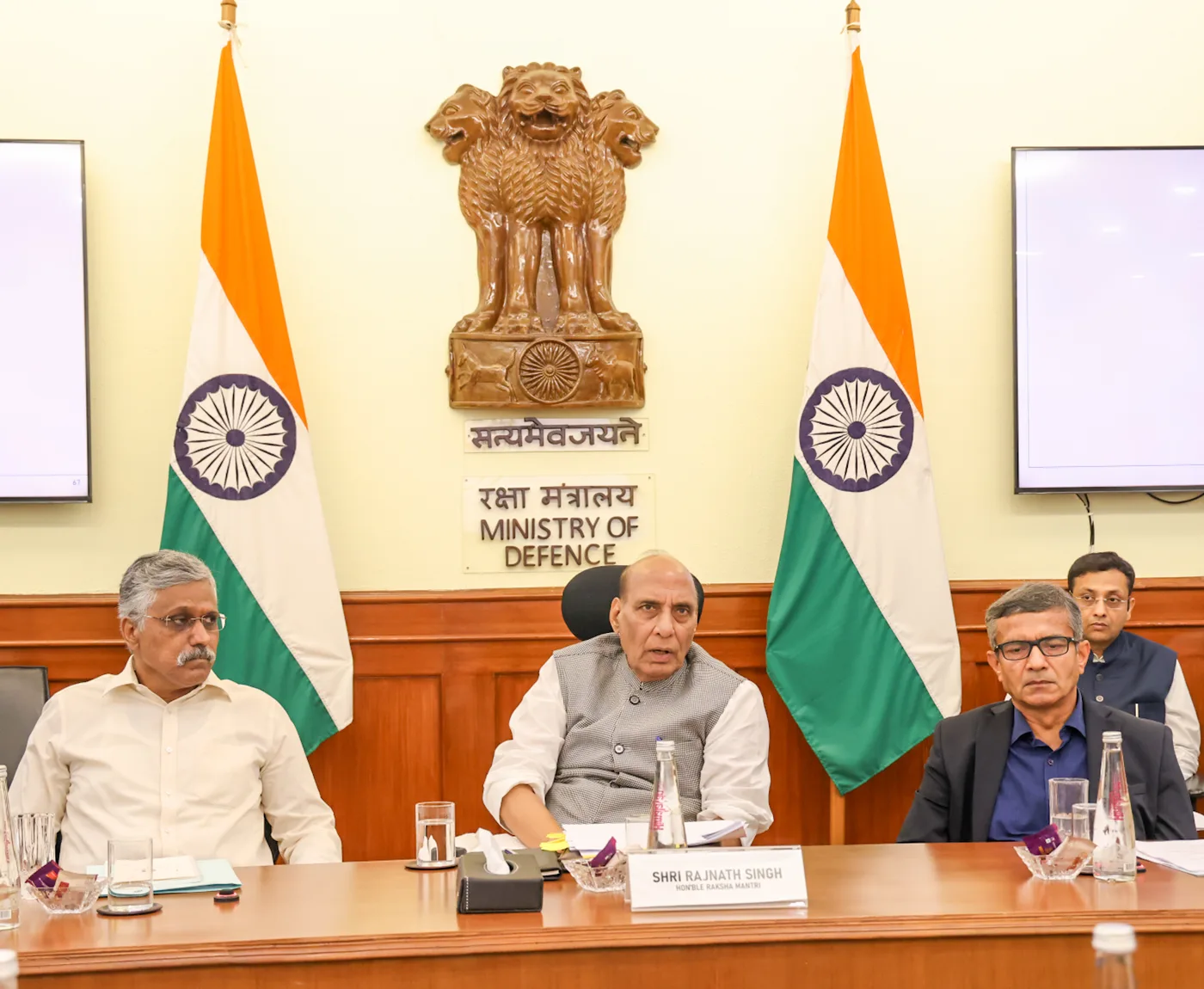
Defence Observer Monthly Magazine — Structure & Institutional Archive
The PRGI-registered (DLBIL/26/A7836) monthly flagship print and digital magazine in English and Hindi, structured across 17 permanent editorial sections (120–160 pages).
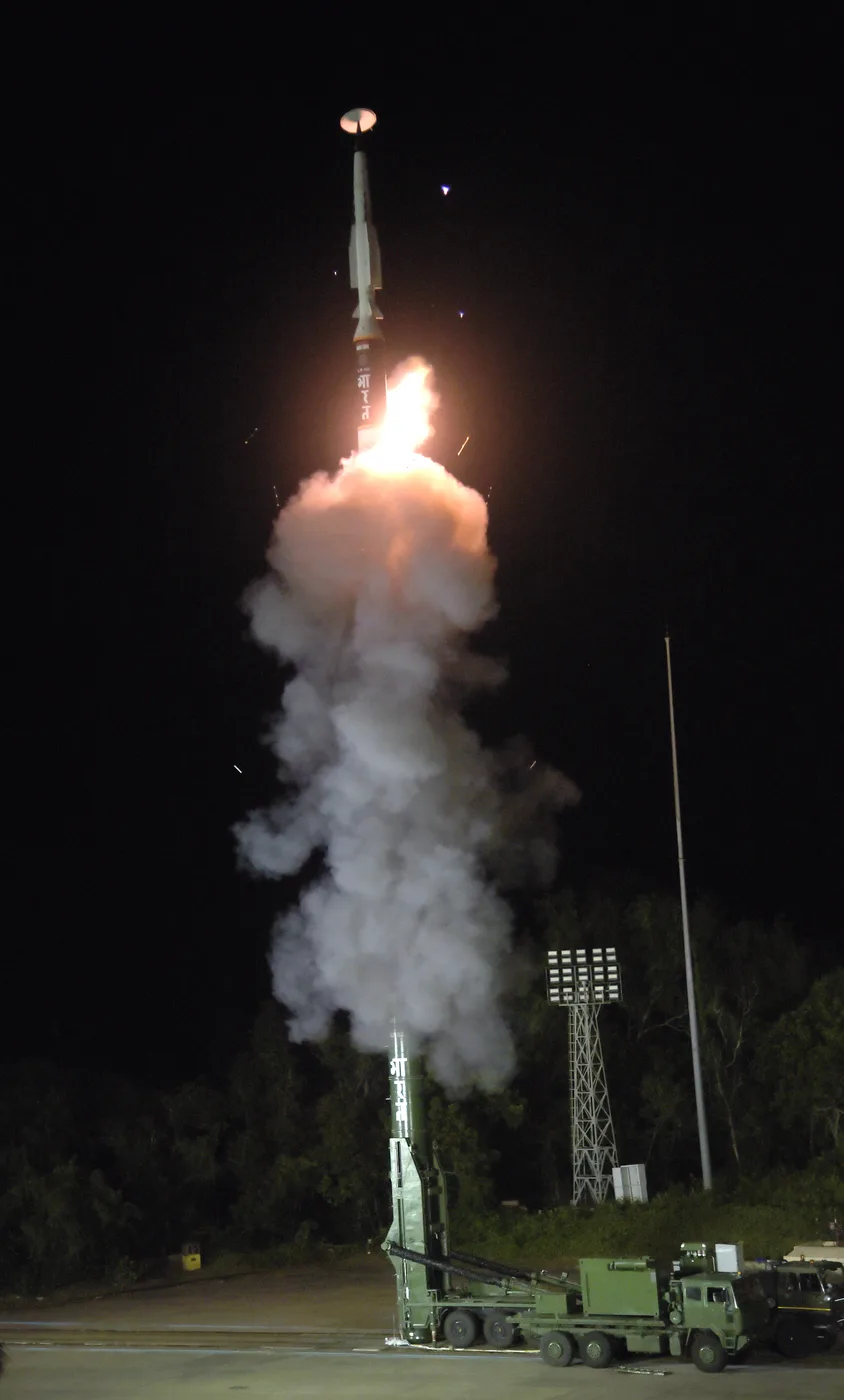
Strategic Briefs, Policy Papers & Sectoral Intelligence Series
Editorial Charter and publication standards for Defence Observer’s ongoing series of Strategic Briefs, Policy Papers, Defence Industry Reports, Technology Reports, and Border Studies.
10 Signature Content Series
The Strategic Interview
In-depth conversations with senior military commanders, policymakers, and strategic thinkers.
From the Frontier
Ground documentation from Ladakh, Siachen, J&K, Rajasthan, Arunachal Pradesh, and island territories.
Commanders’ View
Operational and doctrinal perspectives from serving and retired Service Chiefs and Theatre Commanders.
Defence CEO
Boardroom dialogues with leaders of DPSUs, private defence primes, shipyards, and aerospace firms.
War Room
Data-driven net assessments of theatres, force postures, and geopolitical flashpoints.
Battlefield India
Archival reconstruction of historic Indian battles, campaigns, regimental honours, and gallantry.
Made in Bharat
Deep-dive technical profiles of indigenous platforms — from Tejas and Vikrant to Akash, Pinaka, and BrahMos.
Soldier Stories
Honouring soldiers, veterans, Veer Naris, military families, and forward border communities.
Next War
Examining AI, swarm drones, counter-UAS, electronic warfare, cyber, space, and quantum deterrence.
Young Strategists
Mentored papers and debates from emerging Indian scholars and campus research networks.
Individual Policy & Doctrine Monographs
Atmanirbhar Bharat in Defence: Production (₹1.78 Lakh Crore), Private Sector Share (24%), and Export Scaling (₹38,424 Crore)
In FY 2025–26, India’s annual defence production reached ₹1.78 lakh crore, with the private sector accounting for approximately 24% of total output. Simultaneously, Indian defence exports reached ₹38,424 crore across more than 80 countries, with private industry contributing ₹17,353 crore. This study analyses the structural drivers of India’s industrial expansion and outlines the Border to Boardroom™ framework linking operational requirements to industrial scale.
Next War & Emerging Technologies: AI, Autonomous UAV/UCAVs, Counter-Drone, Electronic Warfare, Cyber & Space
Recent conflicts demonstrate that sensor-to-shooter compression, low-cost unmanned saturation, counter-UAS layered defence, and electromagnetic spectrum denial are decisive determinants of battlefield outcomes. This study evaluates eleven emerging technology verticals — AI, autonomous systems, UAV/UCAV, counter-drone, cyber warfare, electronic warfare, space defence, quantum technologies, robotics, advanced sensors, and battlefield communications — within the Indian defence innovation landscape.
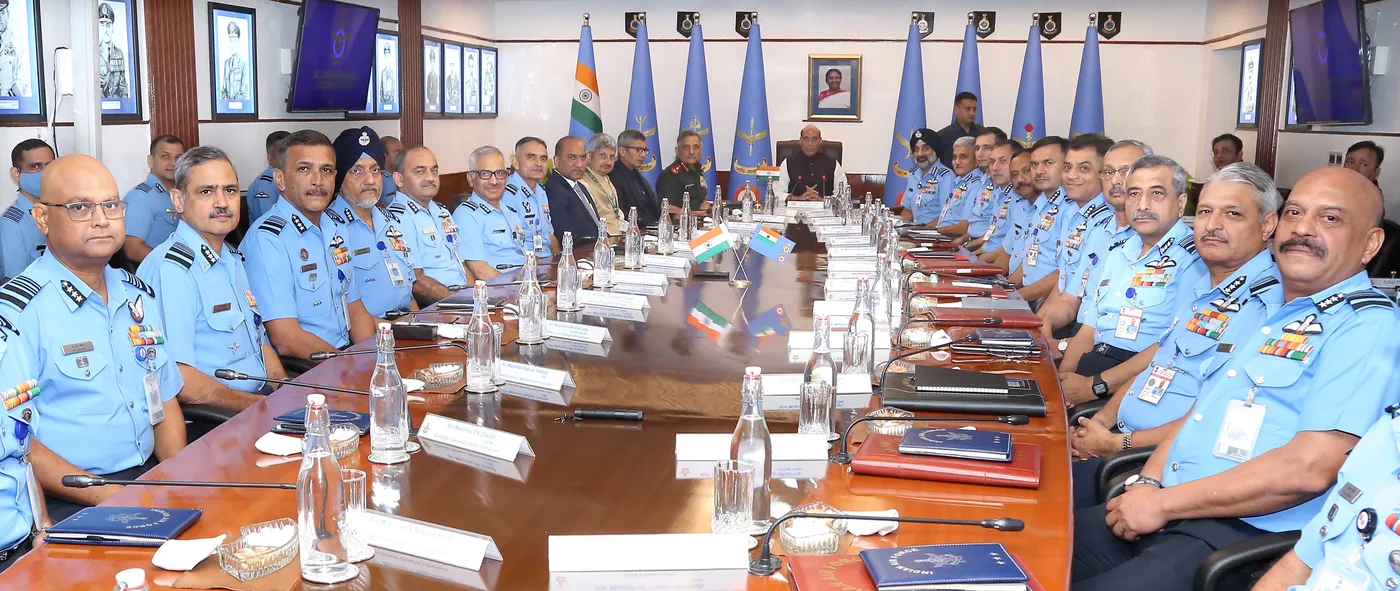
India’s FY 2026–27 Defence Allocation (₹7.85 Lakh Crore) & Capital Modernisation Trajectory
In FY 2026–27, the Ministry of Defence received an allocation of ₹7.85 lakh crore, including a capital outlay exceeding ₹2.19 lakh crore. Approximately 75% of the capital acquisition budget has been earmarked for procurement from the domestic defence industry. This paper examines the structural composition of India’s defence expenditure, the balance between revenue sustainment and capital modernisation across the Army, Navy, and Air Force, and the institutional requirements for converting budgetary outlays into operational readiness.
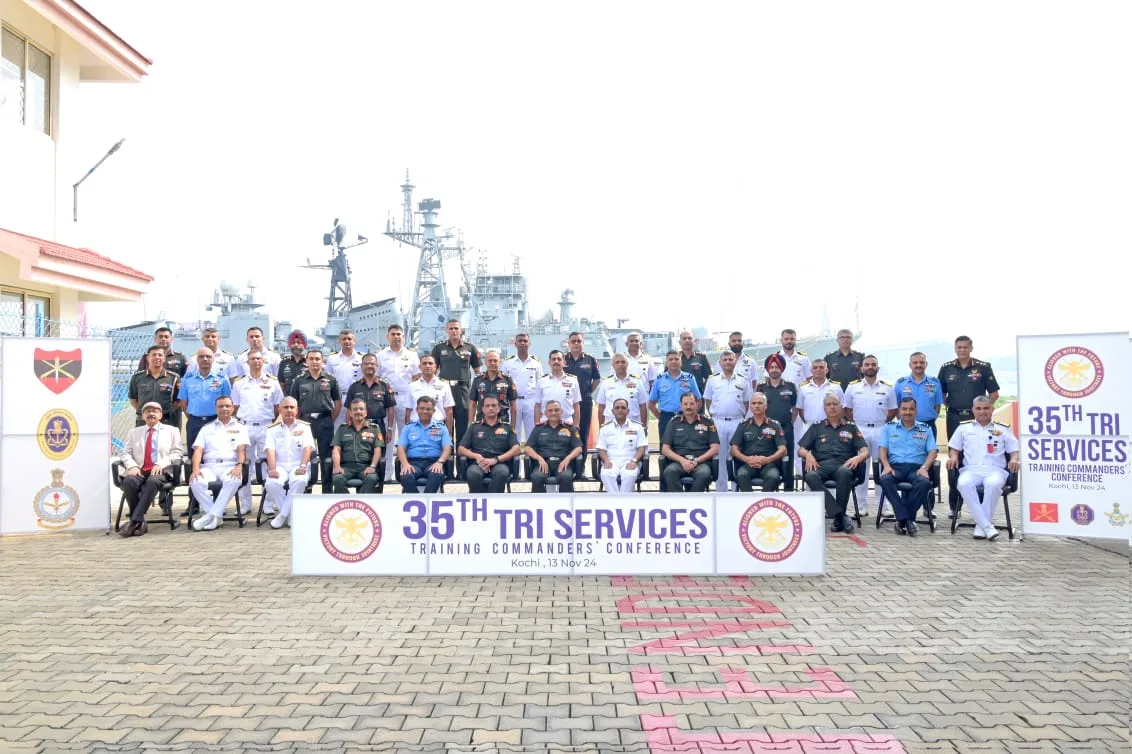
Tri-Service Integration, CDS/DMA Reforms, and the Road to Integrated Theatre Commands
Since the establishment of the Chief of Defence Staff (CDS) and the Department of Military Affairs (DMA), India’s higher defence organisation has pursued systematic jointness in planning, procurement, logistics, and training. Drawing lessons from existing tri-service commands — the Andaman & Nicobar Command and the Strategic Forces Command — this paper examines the institutional building blocks required for integrated theatre commands.
India’s Frontier Architecture: From Ladakh & Siachen to Island Territories & Coastal Security
India’s security posture is defined by the diversity of its frontiers: glaciated high-altitude sectors in Siachen and Eastern Ladakh, active sectors in Jammu & Kashmir, desert and alluvial terrains across Rajasthan, Punjab, and Gujarat, mountainous corridors in Sikkim, Arunachal Pradesh, and the Northeast, and a 7,500+ km coastline flanked by the Andaman & Nicobar and Lakshadweep island territories. This paper outlines Defence Observer’s non-sensitive analytical framework for studying frontier infrastructure, force coordination, and border communities.
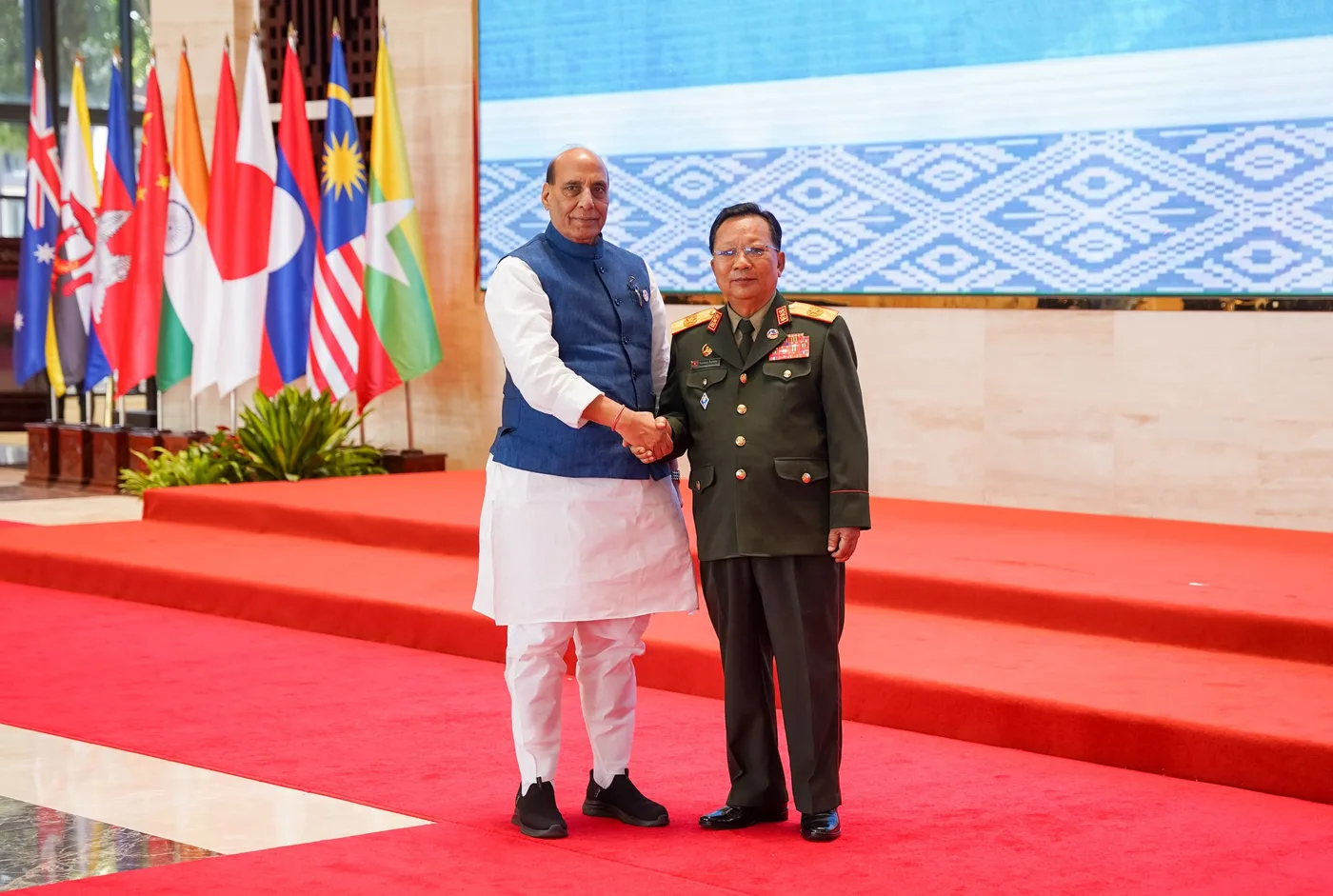
The ‘RAKSHA’ Defence Diplomacy Framework: Strategic Partnerships, Joint Exercises & Export Statecraft
In September 2026, the Raksha Mantri released the ‘RAKSHA’ defence diplomacy document, identifying strategic partnerships, capacity building, indigenous defence exports, and maritime security as the core pillars for the coming decade. This paper examines how India’s bilateral defence agreements, joint military exercises, defence attaché network, and export cooperation reinforce strategic autonomy and regional stability.